Lightning
Lightning is a high energy atmospheric discharge that transfers substantial electrical current to the ground through intentional or unintentional intercepting structures. -energy atmospheric discharge that transfers substantial electrical current to the ground through intentional or unintentional intercepting structures.
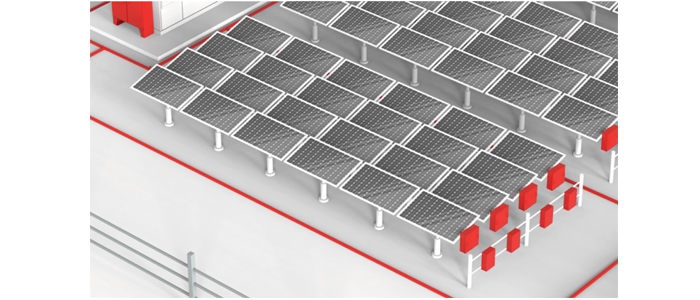
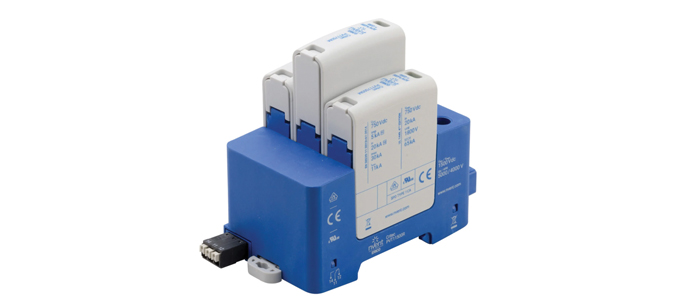
In regions with high lightning activity, where the risk to SPP assets and the potential economic losses are significant, comprehensive lightning and surge protection measures should be implemented to ensure full system protection against direct and indirect lightning strikes.
Direct lightning strikes
Direct lightning strikes at a SPP are relatively infrequent events. However, in regions with high lightning activities, critical assets such as inverter stations and interconnecting HV substations remain at significant risk.
Utility scale solar power plants are not specifically covered in established lightning risk assessment standards such as AS 1768, IEC 62305, or IEEE 998. Determining whether direct lightning protection is necessary therefore relies on the user’s judgement, guided by the risk assessment principles set out in these documents. scale solar power plants are not specifically covered in established lightning risk assessment standards such as assessment principles set out in these documents.
A lightning protection system is designed to intercept lightning strikes, by placing air terminals at the points on a structure most likely to be struck, conduct the energy safely to earth and dissipate the energy into the ground. [1].
Overhead shield wires and lightning rods are installed by default at the interconnection HV substation to protect the high value substation assets within the solar power plant.
In-direct lightning strikes
Indirect lightning strikes occurring near the solar power plant are more common, yet their impacts are comparatively under researched compared to direct strikes. In practice, nearby lightning strikes have been shown to generate very high surges within the SPP. [5] researched
A surge current can be induced in the d.c. and a.c. cable loops because of an indirect lightning strike occurring in the vicinity of the solar power plant.
The electromagnetic field associated with the lightning discharge can induce capacitive, inductive and radiative coupling effects in the SPP circuitry. Understanding the mechanisms of indirect lightning coupling and its impact on solar power plants is essential for developing effective protection and resiliency.